
Smart Money, Bright Future: How NAC Teaches Kids to Avoid a Lifetime of Debt.
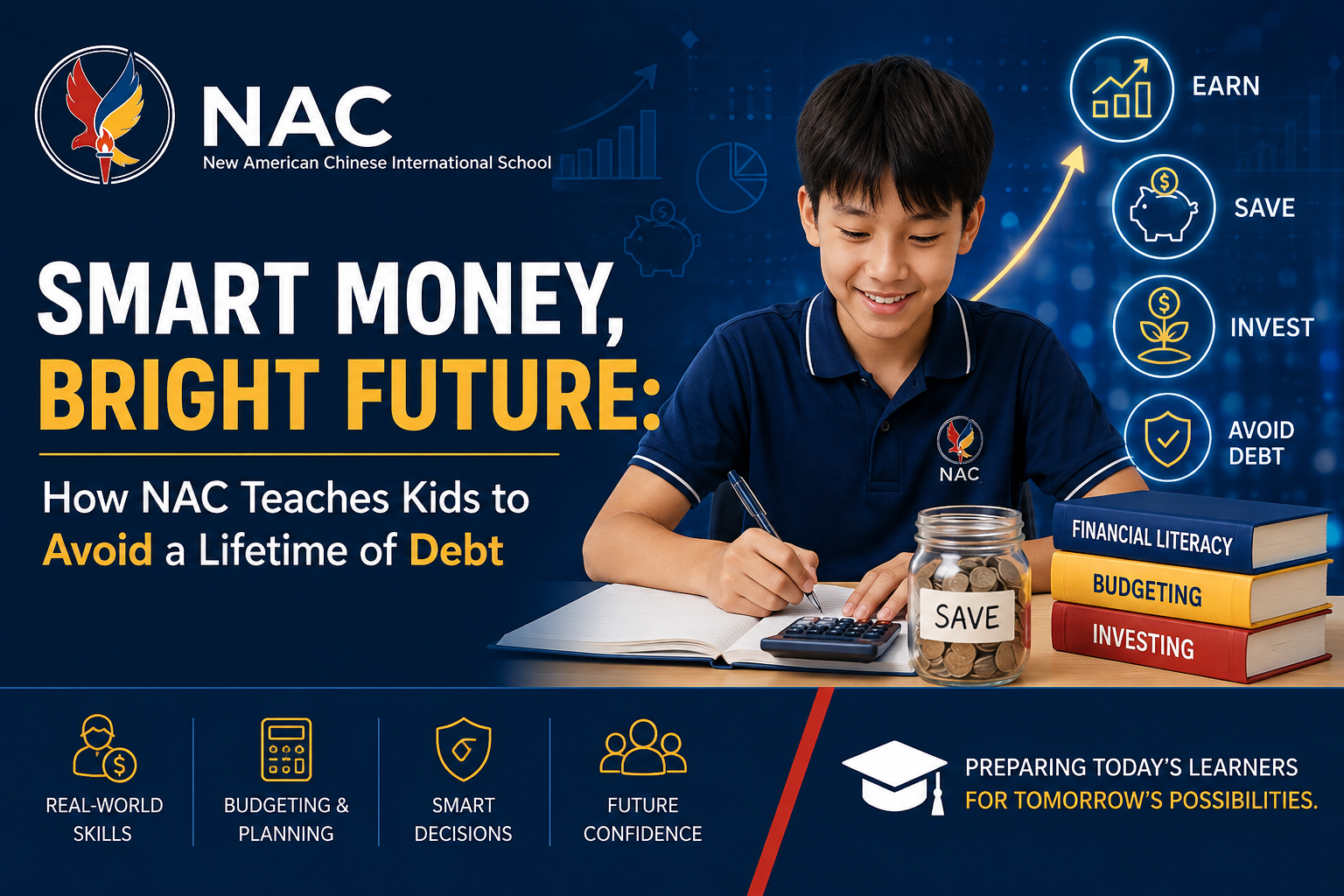
Smart Money, Bright Future: How NAC Teaches Kids to Avoid a Lifetime of Debt
รู้จักใช้เงินอย่างฉลาด สร้างอนาคตที่มั่นคง: NAC สอนเด็กอย่างไรให้หลีกเลี่ยงหนี้สินตลอดชีวิต
Debt isn't an adult problem that appears out of nowhere. It's usually an untaught one.
หนี้สินไม่ใช่ปัญหาที่เกิดขึ้นเมื่อเราเป็นผู้ใหญ่ แต่หลายครั้งเกิดจากสิ่งที่เราไม่เคยได้รับการสอน
Financial literacy taught young is debt prevention, not just money trivia. At NAC, every Grade 5–8 student takes a weekly Financial Literacy class built on the Kidpreneurs curriculum, manages a real simulated stock portfolio through TradingView, and applies budgeting and profit-and-loss thinking inside subjects like Math — not just in one isolated class. The goal isn't to raise young stockbrokers. It's to raise adults who never fall into the debt traps that quietly derail otherwise successful lives.
การเรียนรู้เรื่องการเงินตั้งแต่วัยเด็กคือการป้องกันปัญหาหนี้สิน ไม่ใช่เพียงการเรียนรู้เรื่องเงินแบบทั่วไป ที่ NAC นักเรียนทุกคนตั้งแต่ชั้น ป.5 ถึง ม.2 เรียนวิชาความรู้ทางการเงินเป็นประจำทุกสัปดาห์ ผ่านหลักสูตร Kidpreneurs พร้อมฝึกบริหารพอร์ตการลงทุนจำลองด้วยข้อมูลตลาดจริงผ่าน TradingView และนำแนวคิดเรื่องการจัดทำงบประมาณและกำไรขาดทุนไปประยุกต์ใช้ในวิชาอื่น ๆ เช่น คณิตศาสตร์ ไม่ได้จำกัดอยู่เพียงในวิชาความรู้ทางการเงินเท่านั้น
เป้าหมายของเราไม่ใช่การสร้าง "นักลงทุนตัวน้อย" แต่คือการเตรียมเด็กให้เติบโตเป็นผู้ใหญ่ที่รู้จักใช้เงินอย่างมีความรับผิดชอบ และสามารถหลีกเลี่ยงกับดักหนี้สินที่อาจส่งผลกระทบต่อชีวิตในระยะยาวได้
Debt Doesn't Start as an Adult Problem
หนี้สินไม่ได้เริ่มต้นในวัยผู้ใหญ่
Most adults who struggle with debt didn't make one catastrophic decision. They made dozens of small, untaught ones — never learning what compound interest actually costs, never learning to tell a need from a want, never learning that "minimum payment" is a trap dressed up as a convenience. Nobody sat them down and explained it, so they learned it the expensive way, in real time, with real consequences.
ผู้ใหญ่ส่วนใหญ่ที่ประสบปัญหาหนี้สินไม่ได้เกิดจากการตัดสินใจผิดพลาดครั้งใหญ่เพียงครั้งเดียว แต่เป็นผลจากการตัดสินใจเล็ก ๆ น้อย ๆ หลายครั้งที่ไม่เคยได้รับการเรียนรู้หรือคำแนะนำที่ถูกต้องมาก่อน
พวกเขาอาจไม่เคยเรียนรู้ว่าดอกเบี้ยทบต้นมีต้นทุนมากเพียงใด ไม่เคยเรียนรู้ที่จะแยกแยะระหว่าง "สิ่งจำเป็น" กับ "สิ่งที่อยากได้" หรือไม่เคยเข้าใจว่าการจ่ายเพียง "ยอดขั้นต่ำ" อาจทำให้ต้องเสียเงินมากกว่าที่คิดในระยะยาว
เมื่อไม่มีใครสอน เราจึงต้องเรียนรู้ด้วยตัวเอง บางครั้งผ่านประสบการณ์จริงและบทเรียนที่มีราคาแพง
NAC treats that as an unacceptable gap to leave in a child's education — the same way we'd never let a student graduate unable to read. Financial literacy at NAC starts in Grade 5, not Grade 12, because the habits that prevent debt have to form before the decisions that create it ever show up.
NAC มองว่านี่คือช่องว่างทางการศึกษาที่เราไม่ควรปล่อยให้เกิดขึ้น เช่นเดียวกับที่เราไม่มีทางยอมให้นักเรียนจบการศึกษาโดยไม่สามารถอ่านออกเขียนได้ เราก็ไม่ควรปล่อยให้เด็กเติบโตขึ้นโดยไม่เข้าใจพื้นฐานของการบริหารเงิน
ด้วยเหตุนี้ NAC จึงเริ่มสอนความรู้ทางการเงินตั้งแต่ชั้น ป.5 ไม่ใช่รอจนถึงระดับมัธยมปลาย เพราะนิสัยและทักษะที่ช่วยป้องกันปัญหาหนี้สินควรถูกสร้างขึ้นก่อนที่เด็กจะต้องเผชิญกับการตัดสินใจทางการเงินจริงในชีวิต

The framework NAC students actually learn: the 50/30/20 budget rule, the debt traps that quietly derail adults, and concrete prevention strategies.
นักเรียนได้เรียนรู้ตั้งแต่กฎการจัดสรรงบประมาณ 50/30/20 การรู้จักกับดักหนี้สินที่อาจส่งผลกระทบต่อชีวิตในระยะยาว ไปจนถึงกลยุทธ์ที่สามารถนำไปใช้จริงเพื่อป้องกันปัญหาหนี้สิน
Five Debt Traps We Actively Teach Kids to Recognize
5 กับดักหนี้สินที่เราสอนให้นักเรียนรู้จักและหลีกเลี่ยง
These aren't abstract warnings. They're the specific, recognizable patterns that quietly pull otherwise responsible adults into debt — and we'd rather a 12-year-old learn to spot them in a classroom than a 25-year-old learn them from a collections call.
สิ่งเหล่านี้ไม่ใช่เพียงคำเตือนทั่วไป แต่เป็นพฤติกรรมและรูปแบบการตัดสินใจที่พบได้จริง และอาจค่อย ๆ นำผู้ใหญ่ที่มีความรับผิดชอบเข้าสู่ปัญหาหนี้สิน
เราอยากให้นักเรียนอายุ 12 ปีเรียนรู้ที่จะมองเห็นและรับมือกับกับดักเหล่านี้ในห้องเรียน มากกว่าที่จะต้องเรียนรู้ด้วยตัวเองเมื่ออายุ 25 ปี หลังได้รับโทรศัพท์จากบริษัทติดตามหนี้
Spending More Than You Earn
The simplest trap and the one every other trap on this list eventually feeds.
กับดักที่ดูเรียบง่ายที่สุด และเป็นต้นเหตุที่สามารถนำไปสู่กับดักหนี้สินรูปแบบอื่น ๆ ได้อีกมากมาย
Using Credit Carelessly
Understanding what "minimum payment" actually costs over time, in real numbers.
เรียนรู้ว่าการจ่ายเพียง "ยอดขั้นต่ำ" อาจทำให้เราต้องจ่ายเงินจริงเท่าใดเมื่อเวลาผ่านไป โดยใช้ตัวเลขที่เห็นภาพได้จริง
Impulse Buying & Peer Pressure
Recognizing the emotional pull behind a purchase before it becomes a habit.
เรียนรู้ที่จะสังเกตแรงกระตุ้นทางอารมณ์ที่อยู่เบื้องหลังการซื้อ ก่อนที่พฤติกรรมนั้นจะกลายเป็นนิสัย
Ignoring Bills & Due Dates
Small, boring administrative habits that prevent large, painful consequences.
เรียนรู้ว่านิสัยเล็ก ๆ ที่อาจดูน่าเบื่อ เช่น การตรวจสอบและชำระค่าใช้จ่ายตรงเวลา สามารถช่วยป้องกันปัญหาใหญ่ที่ตามมาในอนาคตได้
High-Interest Loans & "Buy Now, Pay Later"
Learning to read the real cost hiding behind a convenient-sounding offer.
เรียนรู้ที่จะมองให้เห็นต้นทุนที่แท้จริงซึ่งอาจซ่อนอยู่เบื้องหลังข้อเสนอที่ดูสะดวกและน่าสนใจ
The Kidpreneurs Curriculum: Learning by Actually Running a Business
หลักสูตร Kidpreneurs: เรียนรู้ผ่านการลงมือทำธุรกิจ
NAC's Financial Literacy course is built on Kidpreneurs, a gamified, self-paced platform designed specifically for ages 6–12 that has already reached over 250,000 kids worldwide. Rather than lecturing about money, it puts students through a digital coin-earning system that mirrors real-life money management, and a business plan builder that turns a student's own idea into an actual structured plan.
วิชาความรู้ทางการเงินของ NAC ใช้หลักสูตร Kidpreneurs เป็นหนึ่งในองค์ประกอบสำคัญ โดยเป็นแพลตฟอร์มการเรียนรู้ผ่านเกมและการเรียนรู้ด้วยตนเอง ซึ่งออกแบบมาสำหรับเด็กอายุ 6–12 ปี และมีนักเรียนทั่วโลกเข้าถึงแล้วกว่า 250,000 คน แทนที่จะเรียนรู้เรื่องเงินผ่านการบรรยายเพียงอย่างเดียว นักเรียนจะได้ฝึกบริหารเงินผ่านระบบเหรียญดิจิทัลที่จำลองสถานการณ์ทางการเงินจริง รวมถึงใช้เครื่องมือสร้างแผนธุรกิจเพื่อพัฒนาแนวคิดของตนเองให้กลายเป็นแผนธุรกิจที่มีโครงสร้างชัดเจน
Kidpreneurs Academy
An entrepreneurship and money-management platform for ages 6–12, built around a self-paced learning path, business plan builder, and digital coin-earning system.
แพลตฟอร์มด้านการเป็นผู้ประกอบการและการบริหารเงินสำหรับเด็กอายุ 6-12 ปี ออกแบบด้วยเส้นทางการเรียนรู้ตามจังหวะของตนเอง เครื่องมือสร้างแผนธุรกิจ และระบบสะสมเหรียญดิจิทัล
kidpreneursacademy.com →Real Markets, Real Decisions, Zero Real Risk
ตลาดจริง การตัดสินใจจริง โดยไม่มีเงินจริงตกอยู่ในความเสี่ยง
Once students understand budgeting fundamentals, they move on to something most adults have never tried before their twenties: managing an actual simulated investment portfolio, using live market data through TradingView. They pick real stocks, watch real price movements, and feel the real emotional pull to panic-sell or chase a trend — and they learn from every one of those mistakes without a single real baht on the line.
เมื่อเข้าใจพื้นฐานการจัดทำงบประมาณแล้ว นักเรียนจะได้ก้าวไปสู่ประสบการณ์ที่ผู้ใหญ่จำนวนมากอาจไม่เคยได้ลองจนกระทั่งเข้าสู่วัยยี่สิบ นั่นคือการบริหารพอร์ตการลงทุนจำลองโดยใช้ข้อมูลตลาดแบบเรียลไทม์ผ่าน TradingView
นักเรียนสามารถเลือกหุ้นจริง ติดตามการเคลื่อนไหวของราคาจริง และสัมผัสกับความรู้สึกที่เกิดขึ้นเมื่อตลาดเปลี่ยนแปลง ไม่ว่าจะเป็นความกังวลที่อยากขายหุ้นด้วยความตื่นตระหนก หรือความรู้สึกอยากไล่ตามกระแส
สิ่งสำคัญคือ นักเรียนสามารถเรียนรู้จากการตัดสินใจและความผิดพลาดเหล่านั้นได้ โดยไม่มีเงินจริงแม้แต่บาทเดียวตกอยู่ในความเสี่ยง
Illustrative only — not a screenshot of any trading platform. Real portfolio simulations run inside TradingView itself.
ภาพประกอบเพื่อการอธิบายเท่านั้น ไม่ใช่ภาพหน้าจอจากแพลตฟอร์มการลงทุนจริง การจำลองพอร์ตการลงทุนของนักเรียนดำเนินการภายใน TradingView
TradingView
A professional-grade charting and market-data platform, used by NAC students to manage simulated portfolios against real, live market conditions.
แพลตฟอร์มข้อมูลตลาดและการวิเคราะห์กราฟระดับมืออาชีพ ที่นักเรียน NAC ใช้บริหารพอร์ตการลงทุนจำลองภายใต้สภาวะตลาดจริงแบบเรียลไทม์
tradingview.com →Not One Class — Built Into How We Teach Every Subject
ไม่ใช่แค่หนึ่งวิชา แต่เป็นส่วนหนึ่งของการเรียนรู้ในหลายวิชา
Financial literacy isn't quarantined to one weekly period. Budgeting, cost analysis, and profit-and-loss thinking show up inside Math projects across every grade — so the skill gets reinforced constantly, not once a week.
ความรู้ทางการเงินไม่ได้ถูกจำกัดอยู่เพียงคาบเรียนประจำสัปดาห์เท่านั้น แนวคิดเรื่องการจัดทำงบประมาณ การวิเคราะห์ต้นทุน และกำไรขาดทุน ยังถูกนำไปใช้ในโครงงานและกิจกรรมของวิชาอื่น ๆ โดยเฉพาะคณิตศาสตร์ สิ่งนี้ทำให้นักเรียนได้ฝึกทักษะทางการเงินอย่างต่อเนื่องและเห็นความเชื่อมโยงกับชีวิตจริง ไม่ใช่เรียนรู้เพียงสัปดาห์ละครั้งแล้วจบไป
Budgeting Fundamentals
Real-price field trip planning under a fixed budget.
วางแผนทัศนศึกษาโดยใช้ราคาจริง ภายใต้งบประมาณที่กำหนด
Profit & Loss
Running a real profit-and-loss projection for a school event.
จัดทำประมาณการกำไรและขาดทุนสำหรับกิจกรรมของโรงเรียน
Investing & Risk
Managing a simulated stock portfolio through live markets.
บริหารพอร์ตการลงทุนจำลองโดยใช้ข้อมูลจากตลาดแบบเรียลไทม์
Entrepreneurship
Building a full Kidpreneurs business plan from an original idea.
พัฒนาแผนธุรกิจ Kidpreneurs ฉบับสมบูรณ์จากแนวคิดของนักเรียนเอง

Grade 5 math in practice: a real 80,000 baht field-trip budget for 40 students, no fictional numbers involved.
คณิตศาสตร์ ป.5 ในสถานการณ์จริง: นักเรียนวางแผนงบประมาณทัศนศึกษาจริงจำนวน 80,000 บาท สำหรับนักเรียน 40 คน โดยใช้ข้อมูลค่าใช้จ่ายจริง ไม่ใช่ตัวเลขสมมติ

Grade 6 students building a full profit-and-loss projection for a real Sports Day refreshment shop — pricing, break-even analysis, and risk planning included.
ป.6 กับการเรียนรู้เรื่องกำไรและขาดทุน: นักเรียนจัดทำประมาณการกำไรและขาดทุนสำหรับร้านจำหน่ายเครื่องดื่มในวันกีฬาสีจริง โดยครอบคลุมทั้งการตั้งราคา การวิเคราะห์จุดคุ้มทุน และการวางแผนบริหารความเสี่ยง
เด็กทั่วโลกที่เข้าถึงหลักสูตร Kidpreneurs แล้ว
กฎการจัดสรรงบประมาณที่นักเรียน NAC เรียนรู้ตั้งแต่ก่อนที่จะต้องนำไปใช้จริง
นักเรียนทุกระดับชั้นเรียนความรู้ทางการเงินทุกสัปดาห์ ไม่ใช่วิชาเลือก
"We are not trying to raise twelve-year-old stockbrokers. We are trying to raise adults who, twenty years from now, never have to learn what compound interest costs the hard way."
"เราไม่ได้ต้องการสร้างนักลงทุนวัยสิบสองปี แต่เราต้องการเตรียมเด็กให้เติบโตเป็นผู้ใหญ่ที่ในอีกยี่สิบปีข้างหน้า จะไม่ต้องเรียนรู้ด้วยวิธีที่เจ็บปวดว่าดอกเบี้ยทบต้นมีต้นทุนมากเพียงใด"
Frequently Asked Questions
คำถามที่พบบ่อย
Does my child need their own money to take part in Financial Literacy class?
No. Kidpreneurs uses a digital coin-earning system, and the TradingView portfolio is entirely simulated — students learn with real market conditions and zero real financial exposure.
ไม่จำเป็น หลักสูตร Kidpreneurs ใช้ระบบเหรียญดิจิทัลสำหรับการเรียนรู้ และพอร์ตการลงทุนใน TradingView เป็นการจำลองทั้งหมด นักเรียนจึงสามารถเรียนรู้จากสภาวะตลาดจริงได้โดยไม่มีความเสี่ยงจากการใช้เงินจริง
Is investing in the stock market appropriate to teach 10 to 13-year-olds?
Yes, in simulated form. The goal isn't day-trading skills — it's building an early, calm familiarity with risk, patience, and market behavior, so those concepts feel normal rather than intimidating later in life.
เหมาะสมเมื่ออยู่ในรูปแบบการจำลอง เป้าหมายของเราไม่ใช่การสอนให้เด็กเป็นนักลงทุนระยะสั้นหรือเทรดเดอร์ แต่คือการสร้างความคุ้นเคยตั้งแต่เนิ่น ๆ กับเรื่องความเสี่ยง ความอดทน และพฤติกรรมของตลาด เพื่อให้แนวคิดเหล่านี้กลายเป็นสิ่งที่เข้าใจได้และไม่ใช่เรื่องน่ากลัวเมื่อเติบโตขึ้น
Is Financial Literacy only taught in one class period, or does it show up elsewhere?
Both. It's a dedicated weekly class from Grade 5 through Grade 8, and budgeting/profit-and-loss thinking is also built into projects in other subjects, particularly Math.
ทั้งสองอย่าง ความรู้ทางการเงินเป็นวิชาที่เรียนเป็นประจำทุกสัปดาห์ตั้งแต่ชั้น ป.5 ถึง ม.2 และแนวคิดเรื่องการจัดทำงบประมาณ กำไรและขาดทุน ยังถูกสอดแทรกในโครงงานของวิชาอื่น ๆ โดยเฉพาะคณิตศาสตร์
Can teaching kids about money that young actually prevent debt as an adult?
The habits and instincts financial literacy builds — distinguishing needs from wants, understanding compound interest, recognizing predatory lending — are exactly the gaps that lead adults into debt. Building those instincts early is prevention, not a guarantee, but it's the single most direct thing a school can do.
ทักษะและแนวคิดที่เด็กได้รับจากความรู้ทางการเงิน เช่น การแยกแยะระหว่างความจำเป็นกับความต้องการ การเข้าใจดอกเบี้ยทบต้น และการรู้เท่าทันสินเชื่อที่มีต้นทุนสูงหรือไม่เป็นธรรม ล้วนเป็นทักษะสำคัญที่ช่วยลดโอกาสในการตัดสินใจทางการเงินที่นำไปสู่หนี้สิน การสร้างทักษะเหล่านี้ตั้งแต่เนิ่น ๆ คือการป้องกัน ไม่ใช่การรับประกัน แต่เป็นหนึ่งในวิธีที่ตรงที่สุดที่โรงเรียนสามารถช่วยเตรียมเด็กให้พร้อมสำหรับชีวิตทางการเงินจริงในอนาคต
See Financial Literacy in Session
Schedule a campus visit and watch students manage real budgets and simulated portfolios.
Visit nac-school.com